Drafted
My experience securing Secret
Hacking for good
Abridged from the original Medium draft.

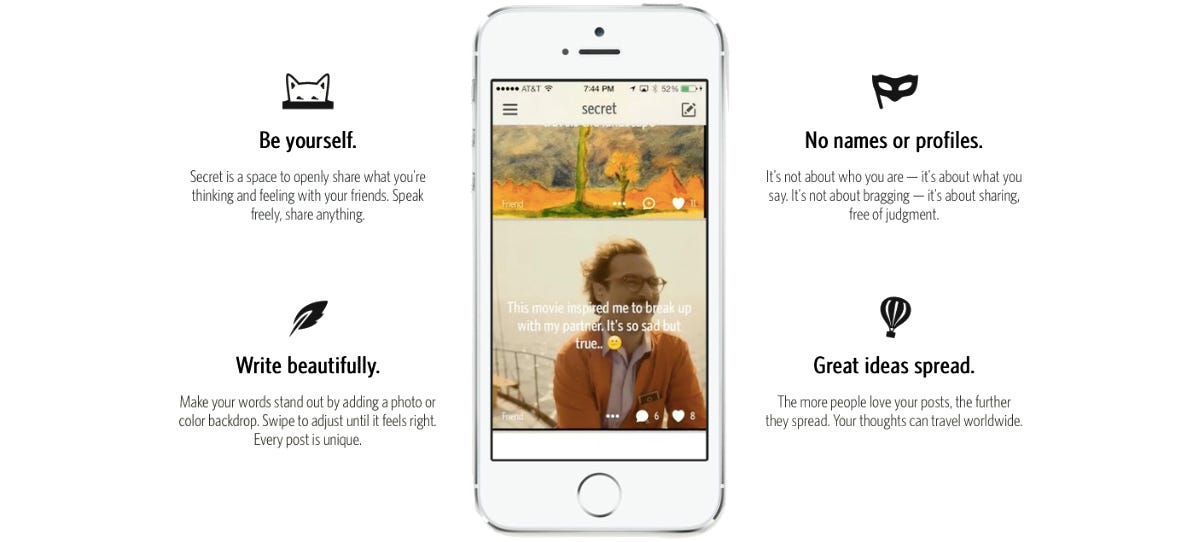
Secret was an app for sharing posts anonymously with friends and friends of friends. It used your phone contacts to work out who you knew. A post might say “friend” where you’d normally see a name. When Secret launched on Android in May 2014, I wanted to know whether that little clue could give someone away.
David Byttow, the CEO, had founded Secret with Chrys Bader-Wechseler. I remembered David from a post he’d written about coding. He’d also explained how Secret worked, and the company offered rewards to people who found security flaws.

I’d recently left Tuenti, a Spanish social network where I’d managed the bug bounty program. For once I had time to be the person sending a report.
I spent several nights figuring out how the Android app talked to Secret’s servers. By four in the morning on the third night I’d made 36 attempts just to see the traffic. When it finally appeared on my screen, I still couldn’t read it. I went to bed.
My idea for identifying an author ran into protections the team had already put in place. I did turn up about 11 issues in the app and on the website. I sent them to Secret’s bug bounty program on HackerOne, along with possible fixes. Most were minor. One bug let a photo uploaded from the phone run unwanted code in a reader’s browser when viewed on the web. I’d overestimated how much damage that one could do. The team took the report seriously anyway, fixed the problems quickly and sent me this little fox.
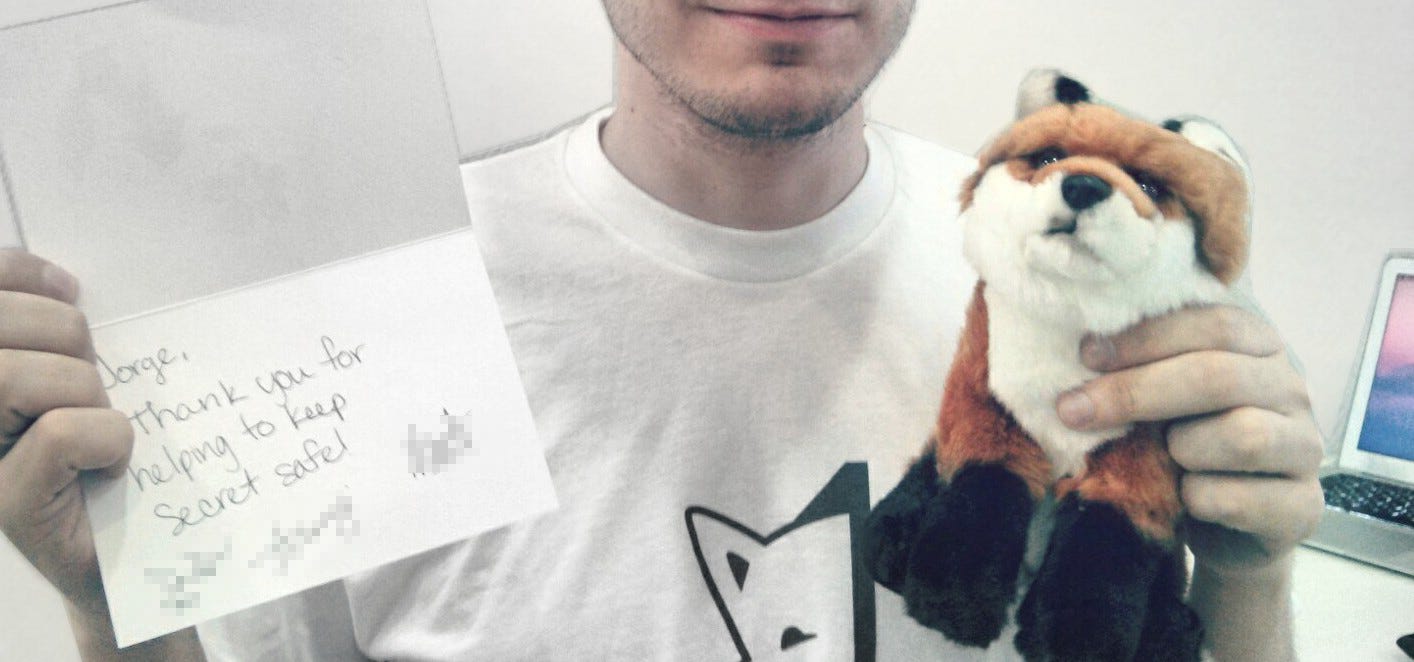
Then they offered me a job. I spent a week in San Francisco meeting the team before I started working remotely from Europe as their security consultant. I was now the person who answered the reports.





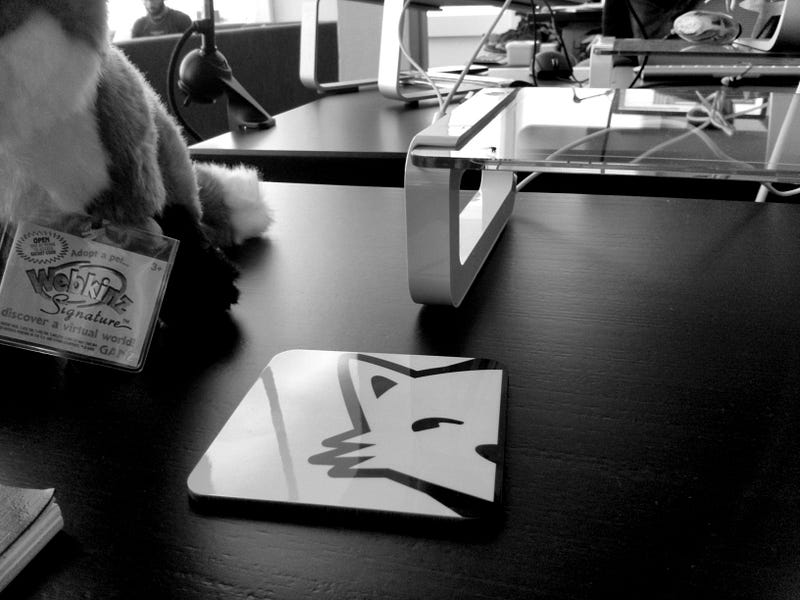
The engineers shipped changes faster than I could have guessed from the outside. I spent hours reading their new Go and Java code every day. I never found a vulnerability that way. Testing new features in the app was more productive, especially after a redesign added real-time anonymous chat. Most of my time, though, went into the bounty inbox.
Running the bounty program
The program I’d run at Tuenti was smaller. At Secret I still wanted each researcher to hear back quickly, even if all I could say at first was that I needed more information. Once I’d confirmed a problem, I’d fix it or find the engineer who could, keep the researcher posted and arrange a reward when one was due.
HackerOne also had a public “hall of fame” that ranked researchers for their contributions. Points mattered to some people. Sometimes I’d get a report from a researcher and then see the same words in another report from a friend. Both people still needed an answer.
What came through the inbox
I worked at Secret from September 2014 to May 2015. By my last day, we’d closed 154 reports. Researchers and the Secret team exchanged 613 messages on HackerOne, with more by email. A single report could have a whole conversation attached.
I used Twilio to send me a text whenever a new report arrived, then set my phone so only texts made a sound. The first reply to a report took 3 hours and 8 minutes on average. Sometimes that reply was a request for clarification, with the investigation and fix still ahead of us.
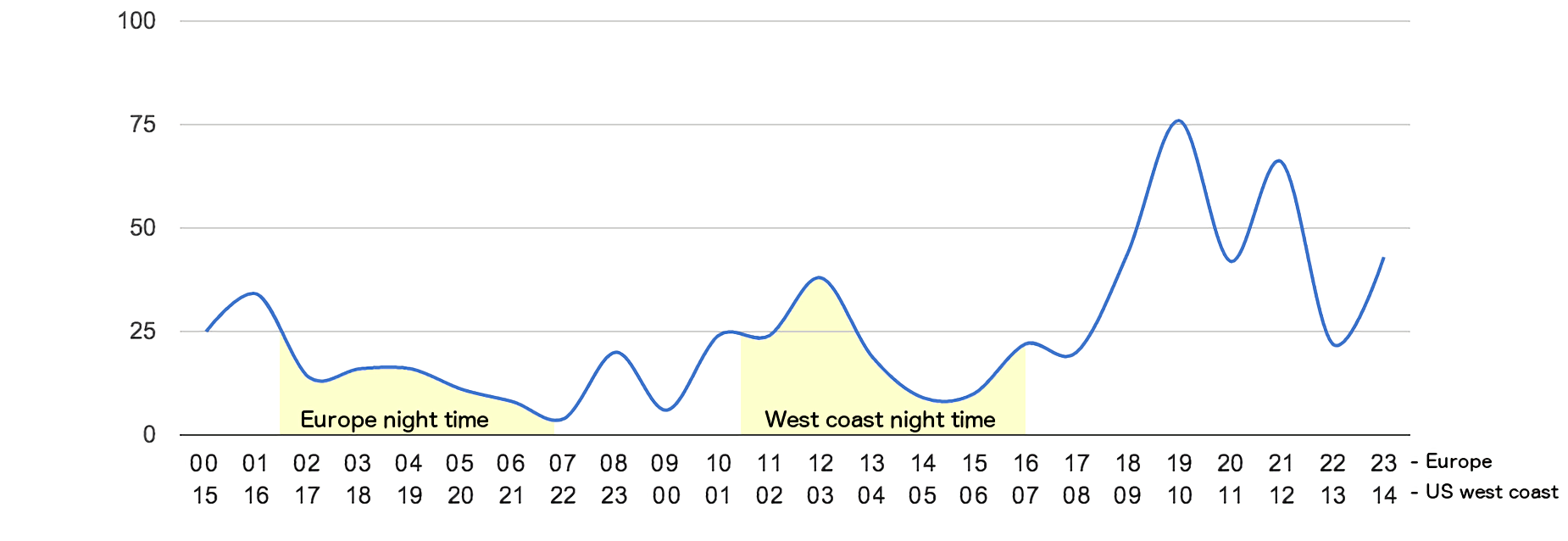
The busiest hour was 7 p.m. for me and 10 a.m. for my colleagues in San Francisco. Many researchers wrote in from India, where it was already late.
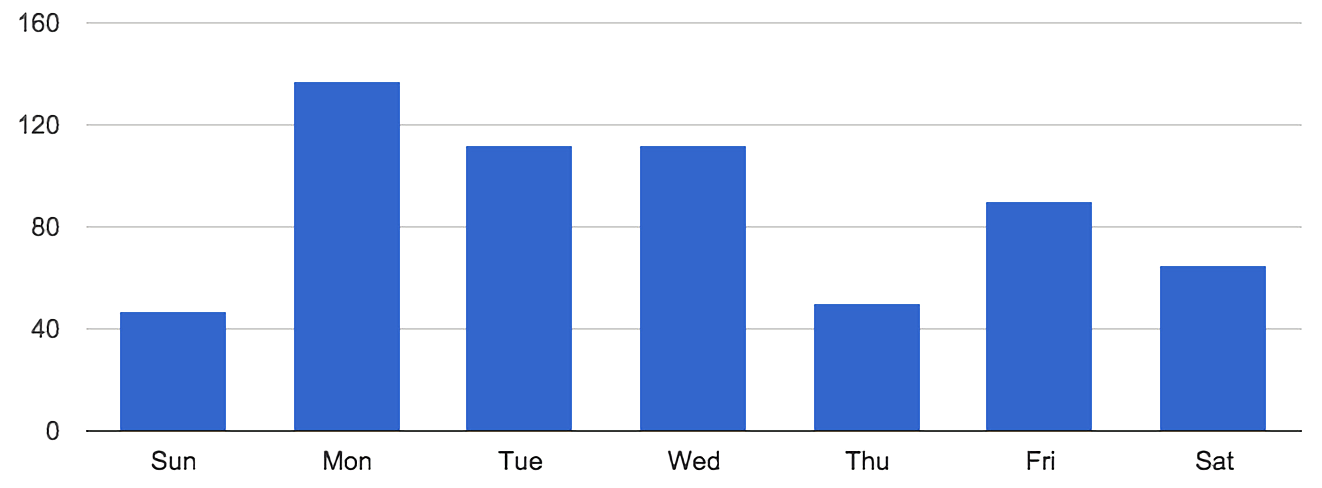
Most messages came during the working week. Thursdays were quieter than Fridays. I never worked out why.
How the 154 reports ended
Does that mean Secret was at risk 154 times? Not really. Here’s what happened when we looked into those reports.
- 57 resolved. We made a change. Many were small improvements to security practice. We paid a bounty in 24 cases where the report showed how someone could put users or the service at risk.
- 25 marked “won’t fix”. We understood the concern and decided a change wouldn’t help in our circumstances. One report, for example, concerned browsers we didn’t support.
- 15 duplicates. Someone had already reported the problem. Several researchers independently flagged the same widely publicised issue.
- 57 marked “not applicable”. We couldn’t confirm a security problem. Sometimes a scanner had raised a false alarm. Someone else just wanted us to know the website didn’t work in Internet Explorer 8.
There was some judgment in those labels. At the time, “not applicable” cost a researcher a point in HackerOne’s rankings. If someone had spotted a genuine concern that happened to pose no risk to Secret, I thought “won’t fix” was fairer.
On April 29, 2015, David announced that Secret would shut down. He wrote that the product had moved away from the vision he’d had when he started the company. His talk about Secret tells more of that story. What I remember best is how the engineers treated me when all they knew about me was what I’d written in a bug report. Once I was on the team, that was the welcome I tried to give other researchers.